From Sketch to Masterpiece: The Journey of Designer Jewelry
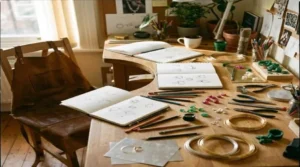
The world of designer jewelry is one of creativity, craftsmanship, and elegance. What starts as a simple sketch in the mind of a designer transforms into a stunning piece that can be worn and cherished for generations. Each piece tells a unique story, from the designer’s initial inspiration to the final masterpiece. In this blog, we’ll take a closer look at the journey of designer jewelry, from the first sketch to the final, polished piece.
1. The Spark of Inspiration: Where it All Begins
The journey of designer jewelry starts with inspiration. Designers draw from various sources, including nature, art, architecture, and personal experiences. Whether it’s the delicate curve of a flower petal, the bold lines of modern art, or a cultural symbol, every piece of jewelry begins with an idea. This inspiration is the seed that grows into a design concept.
Tip: Many designers sketch their ideas in notebooks or digital tablets. These initial sketches serve as blueprints for the future piece and are essential in translating the vision into reality.
2. Creating the Sketch: The Blueprint of the Design
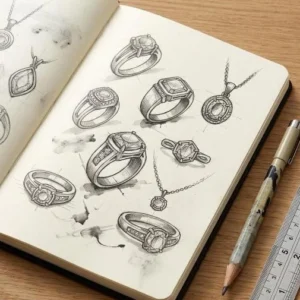
Once the idea is formed, the designer begins the sketching process. This is a crucial step in the creation of designer jewelry because it defines the structure, proportions, and details of the piece. Designers may experiment with different shapes, materials, and designs until they find the perfect combination. These sketches serve as the blueprint for the entire piece, and every curve, line, and detail is carefully planned.
Tip: Some designers use 3D modeling software to create digital renderings of their designs, allowing them to visualize the piece in greater detail before moving forward with the creation process.
3. Choosing the Right Materials: Quality and Aesthetics
The materials chosen for designer jewelry play a significant role in its overall aesthetic and quality. Precious metals like gold, silver, and platinum are commonly used, as well as gemstones such as diamonds, emeralds, sapphires, and rubies. Designers carefully select materials that not only reflect the beauty of the design but also provide durability and longevity to the piece.
Tip: Ethical sourcing has become increasingly important in the jewelry industry. Many designers now opt for sustainable and conflict-free gemstones and metals to ensure their pieces are environmentally and socially responsible.
4. Crafting the Design: Bringing It to Life
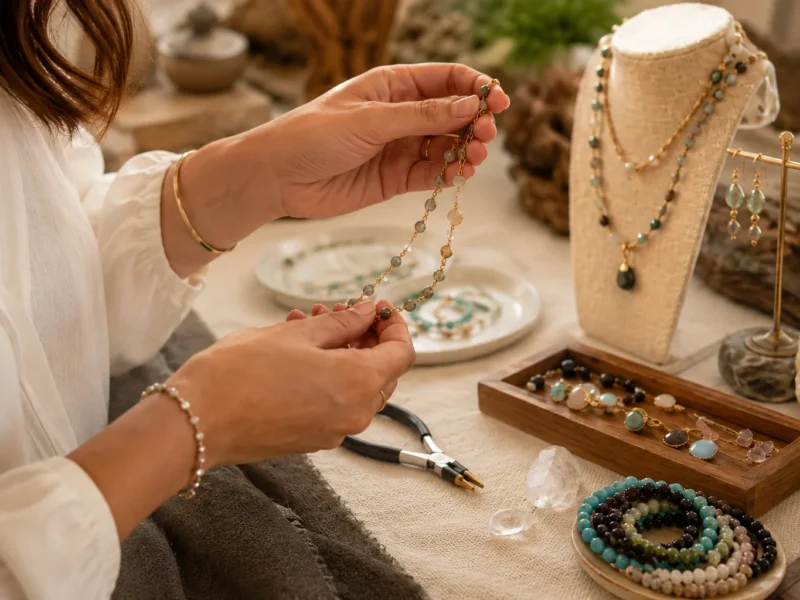
Skilled artisans bring the design to life. They shape the metal, engrave details, set stones, and polish surfaces. Each step requires focus and precision.
Complex designs may take weeks to complete. Simpler pieces require less time but still demand skill. Some designers combine handcrafting with modern tools like 3D printing.
Artisans often use casting to create detailed forms. They pour molten metal into molds and then refine each piece by hand.
Tip: Hand-finishing gives designer jewelry its distinctive character.
5. Setting the Gemstones: Adding Brilliance
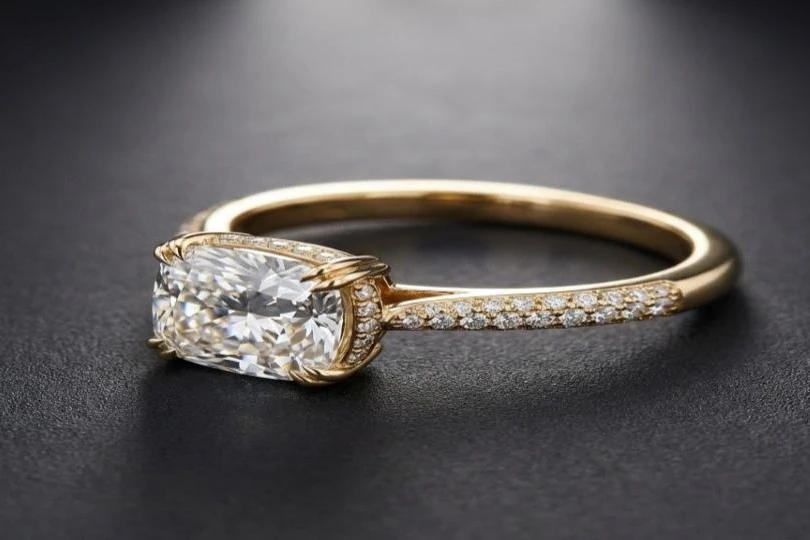
Gemstone setting requires patience and expertise. Jewelers secure each stone to maximize light and sparkle. Prong, bezel, and pave settings each create a different look.
Some designers use custom-cut gemstones. These stones fit the design perfectly and enhance originality.
Tip: The right setting highlights a gemstone’s brilliance and protects it for daily wear.
6. Polishing and Finishing: Perfecting the Piece
Polishing completes the transformation. Jewelers smooth rough edges and refine every surface. They check each detail for balance and symmetry.
A final polish enhances shine and depth. Many luxury pieces receive rhodium plating for added brightness and protection.
Tip: Careful finishing ensures both beauty and durability.
7. The Unveiling: A Wearable Work of Art
At last, the designer reveals the finished piece. The original sketch has become a refined masterpiece. It blends creativity, skill, and luxury.
Designer jewelry goes beyond decoration. It expresses identity and artistry.
Most designers add a signature mark to confirm authenticity. This mark increases prestige and long-term value.
Conclusion
The journey from sketch to masterpiece requires vision, precision, and passion. Designers guide each stage, from inspiration to final polish. Every decision shapes the finished creation.
When you wear designer jewelry, you wear more than an accessory. You wear a story shaped by craftsmanship and imagination. That story can last for generations.
When you wear designer jewelry, you’re not just wearing an accessory; you’re wearing a story—a story that began with a simple idea and ended with a breathtaking piece of art that will last for generations.