How to Spot Genuine Handmade Jewellery: Tips for Shoppers
Handmade jewellery has a charm that machine-made pieces often cannot copy. It feels personal, thoughtful, and full of character. Whether it is a delicate pair of earrings, a statement necklace, a carved bracelet, or a traditional ring, genuine handmade jewellery carries the touch of the artisan who created it.
But today, many products are described as “handmade” even when they are mass-produced or only slightly hand-finished. For shoppers, this can make it difficult to know what is truly artisan-made and what is simply marketed that way.
The good news is that genuine handmade jewellery has signs you can learn to recognise. From small natural variations to material quality, finishing details, and the story behind the piece, there are many ways to shop with confidence.
This guide will help you understand how to spot authentic handmade jewellery and choose pieces that are beautiful, meaningful, and worth keeping.
What Does Handmade Jewellery Really Mean?
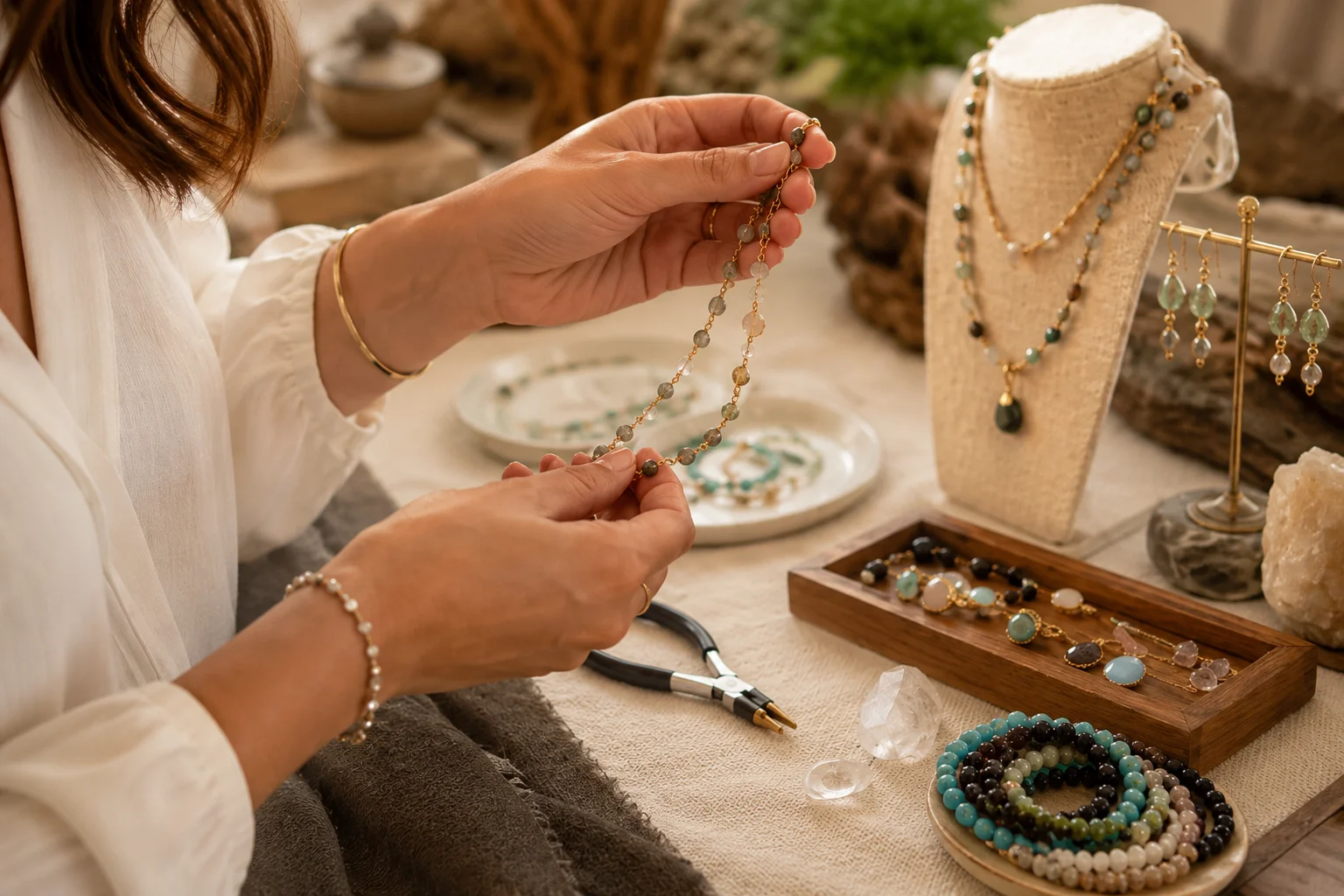
Handmade jewellery means that the piece has been created, shaped, assembled, or finished by hand using artisan skill. It does not always mean every single part was made from raw material by one person. For example, an artisan may use prepared beads, stones, clasps, wires, or metal elements, but the design, setting, shaping, stringing, polishing, or detailing is completed by hand.
The key difference is human involvement. Handmade jewellery reflects the maker’s eye, technique, and creativity. It is usually produced in smaller quantities and often carries slight differences from one piece to another.
Mass-produced jewellery, on the other hand, is made in large batches using machines, moulds, or factory processes. These pieces may look perfectly identical, but they often lack the individuality and character of handmade work.
Look for Small Natural Variations
One of the easiest ways to identify genuine handmade jewellery is to look closely at the details. Handmade pieces usually have small variations because they are not made by machines.
For example, beads may not be perfectly identical. A carved pattern may have tiny differences from one side to the other. A hammered surface may show unique marks. A wire-wrapped detail may have slight movement in its shape.
These small differences are not usually flaws. They are signs that a human hand has shaped the piece.
However, there is an important difference between natural handmade variation and poor workmanship. A genuine handmade item may have individuality, but it should still feel carefully made. It should not have sharp edges, loose parts, weak joins, or unfinished areas that affect comfort and durability.
Check the Quality of the Materials
Genuine handmade jewellery is often valued not only for how it is made, but also for what it is made from. A good artisan usually pays attention to the quality of materials because the material affects the beauty, comfort, and life of the piece.
When shopping, look at the product description carefully. Does it mention the type of metal, stone, bead, wood, shell, glass, or thread used? Are the materials described clearly, or does the listing use vague words like “premium quality” without explaining anything?
For metal jewellery, look for details such as sterling silver, brass, gold plating, gold vermeil, stainless steel, or alloy. For stone jewellery, check whether the stones are natural, dyed, treated, imitation, or synthetic. For wooden or carved pieces, look for information about the type of wood or finish.
A trustworthy seller will usually be transparent about materials. Genuine handmade jewellery does not need confusing descriptions. Its beauty lies in honest craftsmanship.
Study the Finishing Closely
The finishing of a jewellery piece tells you a lot about its quality. Handmade jewellery should feel carefully finished, even if it has natural artisan marks.
Look at the edges, clasps, hooks, chains, links, and surfaces. The piece should feel comfortable against the skin. It should not scratch, pinch, or feel rough in a way that makes it difficult to wear.
If the jewellery has stones or beads, they should be secure. If it has metalwork, the joins should look strong. If it has polish or coating, the finish should appear even and intentional.
A handmade piece may have character, but it should not feel careless. Genuine craftsmanship is visible in the small details that many people overlook.
Notice the Design Originality
Handmade jewellery often has a distinctive design language. It may reflect cultural inspiration, natural forms, traditional techniques, or the artisan’s personal creativity.
Mass-produced pieces are often trend-led and widely repeated. You may see the same design across many different websites with only small changes in colour or packaging. Genuine handmade jewellery usually feels more individual.
This does not mean handmade jewellery must always be complex. A simple ring, bracelet, or pendant can still be handmade. The difference lies in the thought behind the design and the way it has been put together.
Ask yourself: does the piece feel like it has been designed with care, or does it look like a generic item found everywhere?
Read the Product Description Carefully
A genuine handmade jewellery listing should tell you more than just the price and colour. It should give useful information about the piece.
A good product description may include:
- Materials used
- Size or measurements
- Craft technique
- Care instructions
- Origin or artisan background
- Whether natural variations may occur
- Whether the piece is handmade, hand-finished, or hand-assembled
Descriptions that are too vague can be a warning sign. If a seller only says “handmade luxury jewellery” but gives no details about materials, size, or making process, shoppers should be cautious.
Clear information builds trust. It shows that the seller understands the piece and respects the customer’s decision-making process.
Understand the Difference Between Handmade and Hand-Assembled
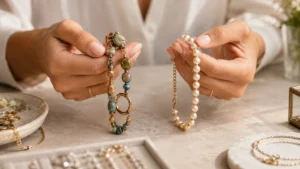
This is an important point many shoppers miss.
A piece may be called handmade because it was assembled by hand, even if the beads, charms, chains, or pendants were factory-made. This does not automatically make the item bad. Many beautiful artisan pieces are hand-assembled using sourced components.
However, it is important for the seller to be honest. Fully handmade jewellery may involve shaping, carving, soldering, setting, weaving, engraving, or polishing by hand. Hand-assembled jewellery may involve arranging and combining existing parts into a finished design.
Both can be attractive, but they are not the same. Genuine sellers usually make this clear.
Check the Price Realistically
Handmade jewellery often takes time, skill, and careful material selection. Because of this, it is usually not priced the same as mass-produced fashion jewellery.
If a piece is described as fully handmade with natural stones, high-quality metal, detailed carving, or traditional artisan work but is priced extremely low, it is worth questioning. The price should make sense based on the materials, technique, and time involved.
That does not mean handmade jewellery must always be expensive. Simple handmade pieces can still be affordable. But the price should feel realistic.
Very low prices may suggest factory production, low-grade materials, or misleading marketing. A fair price respects both the shopper and the artisan.
Look for Signs of Artisan Technique
Different types of handmade jewellery show different signs of craftsmanship. Once you know what to look for, it becomes easier to recognise authentic work.
In metal jewellery, you may see hand-hammered textures, soldered joins, wire wrapping, engraved patterns, or hand-shaped forms. In beaded jewellery, look for thoughtful arrangement, secure stringing, and balanced colour choices. In carved jewellery, notice the depth, detail, and natural movement of the carving.
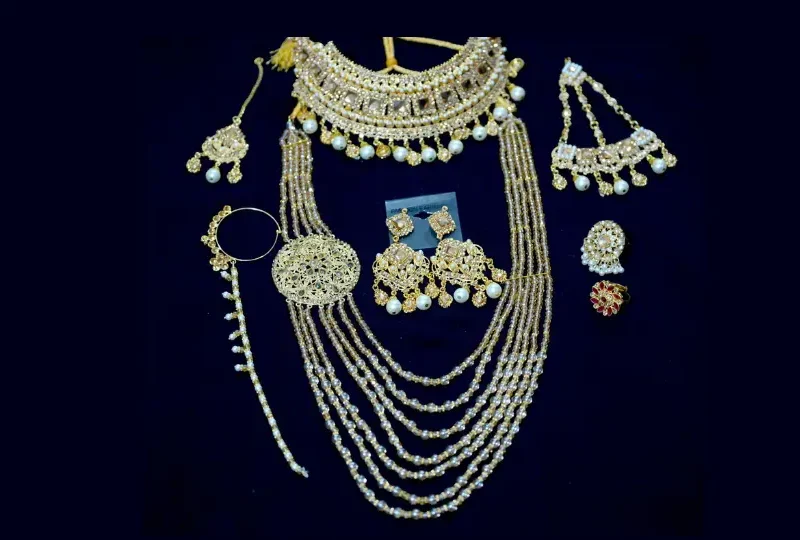
For traditional or heritage-inspired jewellery, the technique may also reflect cultural artistry. Patterns, motifs, and materials may have a deeper meaning. These details give handmade jewellery its emotional value.
Ask About the Story Behind the Piece
One of the most beautiful things about handmade jewellery is the story behind it. A genuine handmade piece often has a connection to a place, technique, tradition, or artisan community.
When shopping, see if the brand shares information about where the piece comes from or how it is made. Does the seller talk about craftsmanship? Do they mention artisans, heritage, regional techniques, or sourcing?
A strong story does not need to be overly dramatic. It simply needs to feel honest. Handmade jewellery becomes more meaningful when you understand the care and skill behind it.
Check Product Photos Carefully
Photos can reveal a lot about handmade jewellery. Look for clear close-up images that show texture, clasps, edges, stones, polish, and scale.
If all photos look overly edited or too perfect, it may be harder to judge the actual piece. Genuine handmade items should usually be shown from different angles. Close-up images help shoppers see the real finish and detail.
Also, compare multiple pieces if available. If every item looks exactly identical, it may be mass-produced. Handmade pieces often show subtle differences, especially when natural materials are involved.
Be Careful with Overused Marketing Words
Words like “artisan,” “handmade,” “premium,” “authentic,” and “luxury” are often used in product marketing. These words can be meaningful, but only when supported by details.
Do not rely on the label alone. Look for proof in the product description, photos, materials, finishing, and brand story.
A genuine handmade jewellery seller will usually give enough information to support the claim. A less trustworthy listing may depend only on attractive words without explaining the making process.
Check for Comfort and Wearability
Beautiful jewellery should not only look good. It should also feel good to wear.
When buying handmade jewellery, consider its weight, fastening, length, shape, and skin comfort. Earrings should not feel too heavy. Rings should have smooth inner edges. Necklaces should sit well around the neck. Bracelets should not catch easily on clothing.
Good artisans think about wearability. They understand that jewellery is not only decorative. It becomes part of someone’s daily style, special occasion outfit, or personal collection.
Look for Care Instructions
Handmade jewellery often needs proper care, especially when it includes natural materials, plated metals, stones, pearls, wood, or delicate handwork.
A reliable seller will usually provide basic care guidance. For example, they may advise keeping the jewellery away from water, perfume, harsh chemicals, or direct sunlight. They may suggest storing it in a soft pouch or dry place.
Care instructions show that the seller understands the materials and wants the piece to last. This is another sign of trust.
Choose Brands That Respect Craftsmanship
Where you buy handmade jewellery matters. A good brand does not treat handmade products as just another trend. It values the artisan process, cultural heritage, quality materials, and customer trust.
When shopping, look for brands that explain their values clearly. Do they highlight craftsmanship? Do they focus on meaningful design rather than fast fashion? Do they present their products with care?
A brand that respects craftsmanship will usually make the buying experience feel more thoughtful. The product will not feel like a random accessory. It will feel like a piece chosen with intention.
Why Genuine Handmade Jewellery Is Worth Choosing
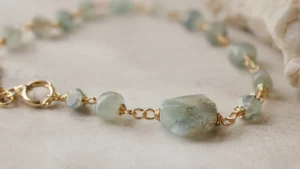
Genuine handmade jewellery is worth choosing because it offers more than surface beauty. It carries individuality, time, skill, and human creativity.
Each piece feels personal because it has not been produced in huge anonymous batches. It can become part of your everyday style, a treasured gift, or a meaningful reminder of a place, tradition, or moment.
Handmade jewellery also encourages slower, more thoughtful shopping. Instead of buying many temporary pieces, shoppers can choose fewer items that feel special and lasting.
Conclusion
Spotting genuine handmade jewellery becomes easier when you know what to look for. Small natural variations, clear material details, careful finishing, realistic pricing, artisan techniques, and honest product descriptions all help reveal whether a piece is truly handmade.
The beauty of handmade jewellery lies in its individuality. It does not need to look machine-perfect. It needs to feel thoughtful, well-made, and authentic.
When you choose genuine handmade jewellery, you are not only buying an accessory. You are choosing craftsmanship, creativity, and a piece of human artistry that can be worn and cherished.