Designer Jewelry vs. Mass-Produced: What Sets Them Apart?
When it comes to purchasing jewelry, one of the most common decisions is whether to opt for designer jewelry or a mass-produced piece. Both have their appeal, but they differ in several significant ways. Designer jewelry is often associated with uniqueness, craftsmanship, and high-quality materials, while mass-produced jewelry offers affordability and accessibility. But what exactly sets these two apart? In this blog, we’ll explore the key differences between designer jewelry and mass-produced jewelry to help you make an informed decision.
1. Craftsmanship and Quality
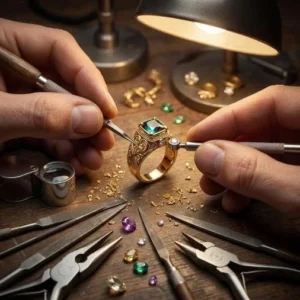
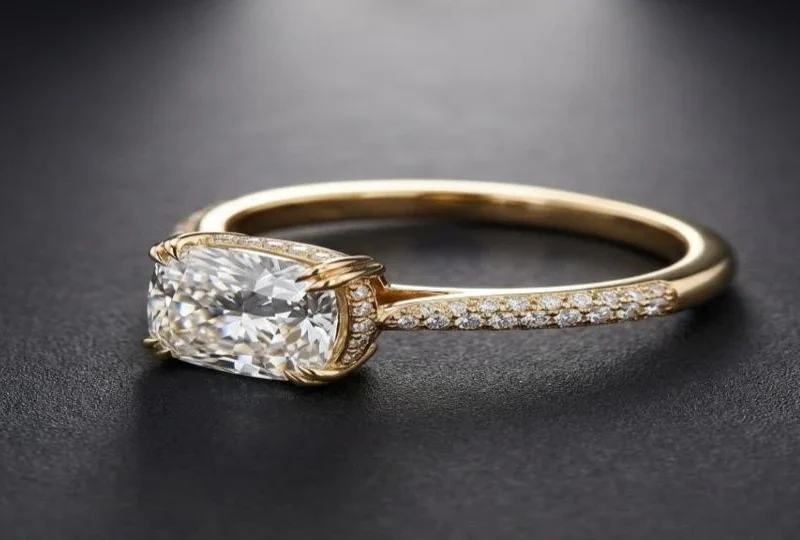
One of the most significant differences between designer jewelry and mass-produced pieces lies in the level of craftsmanship and quality. Designer jewelry is meticulously handcrafted by skilled artisans, often with years of experience and attention to detail. Every piece is created with precision, from the selection of the materials to the final finishing touches. Whether it’s a custom design or a limited-edition piece, designer jewelry is made to stand the test of time and is typically crafted using high-quality metals and gemstones.
On the other hand, mass-produced jewelry is made using industrial processes, which can result in less attention to detail. While mass production ensures uniformity and consistency, it often sacrifices the finer aspects of design and quality. The materials used in mass-produced jewelry may also be of lower quality compared to those used in designer pieces, which can affect the overall durability and value of the jewelry.
Tip: If you’re looking for a piece that combines superior quality and lasting beauty, designer jewelry is often the better choice.
2. Uniqueness and Exclusivity
Another standout difference is the uniqueness and exclusivity of designer jewelry. Designer pieces are typically limited in number, making them rare and one-of-a-kind. Many jewelry designers create custom pieces, which means no two are exactly the same. This exclusivity adds value to the piece, both emotionally and financially. When you wear designer jewelry, you are wearing something that was specifically crafted for you or designed with your taste in mind.
Mass-produced jewelry, on the other hand, is made in large quantities and sold to the masses. While you may find a beautiful piece, there’s a chance that someone else is wearing the same item. The lack of exclusivity and individuality is one of the primary drawbacks of mass-produced jewelry.
Tip: For a truly personalized piece that stands out from the crowd, designer jewelry is your best option.
3. Price Point
Price is often one of the most significant factors when comparing designer jewelry to mass-produced jewelry. Designer jewelry tends to be more expensive due to the time, effort, and high-quality materials involved in its creation. The artisan craftsmanship, attention to detail, and use of premium materials contribute to the higher price tag. Additionally, designer pieces often come with a brand name or designer recognition, further elevating their value.
Mass-produced jewelry is typically more affordable because it’s made in bulk using standardized processes. The lower cost of production allows retailers to offer these pieces at more accessible price points, making them appealing to a wider audience. While you can certainly find beautiful mass-produced jewelry, the trade-off is often quality and exclusivity.
Tip: If you have a larger budget and are looking for long-term investment pieces, designer jewelry might be worth the extra cost.
4. Design and Innovation
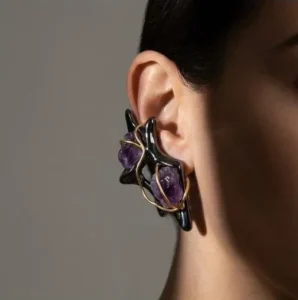
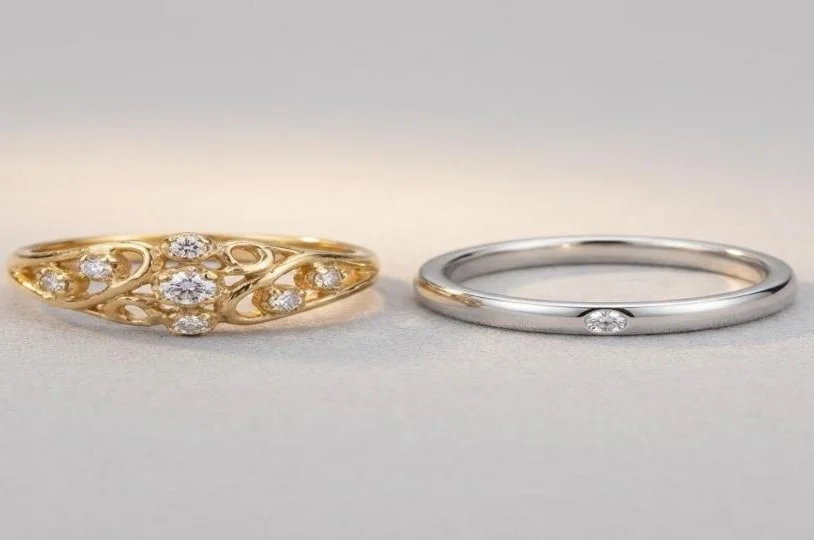
Designer jewelry is known for its innovative and often avant-garde designs. Designers continually push the boundaries of creativity, experimenting with new techniques, materials, and styles. Many pieces of designer jewelry are considered works of art, reflecting the artist’s vision and personality. Whether it’s a bold statement piece or a delicate, intricately crafted design, the innovation and artistry involved in designer jewelry set it apart from mass-produced alternatives.
In contrast, mass-produced jewelry tends to follow popular trends and may lack the originality and uniqueness that designer pieces offer. While mass-produced jewelry is designed to appeal to a broad audience, it often adheres to conventional styles and doesn’t explore the same level of creativity that designer jewelry embraces.
Tip: If you value creativity and innovative designs, designer jewelry is the way to go.
5. Emotional Value and Sentiment
When you purchase designer jewelry, there is often an added emotional connection. Whether it’s a custom engagement ring or a piece designed to commemorate a special occasion, designer jewelry carries sentimental value. The designer’s thoughtfulness, the unique design, and the personal nature of the piece make it a treasured item. Many people also associate designer jewelry with milestones, making it a meaningful and long-lasting gift or personal investment.
Mass-produced jewelry, while beautiful, may not carry the same level of emotional connection. Since these pieces are often mass-marketed and bought on a whim, they may lack the personal significance that comes with a designer piece.
Tip: For a piece that holds sentimental value and becomes a cherished heirloom, designer jewelry is a perfect choice.
6. Longevity and Investment
Designer jewelry is often seen as an investment, not just in terms of monetary value, but also in terms of longevity. The high-quality materials, craftsmanship, and exclusivity of designer pieces often mean that they will last for generations, becoming heirlooms passed down through families. Over time, some designer pieces may even increase in value, particularly if they’re made by renowned designers or feature rare gemstones.
In contrast, mass-produced jewelry may not offer the same longevity. While well-made pieces can last for years, the materials used in mass production may wear down over time. Mass-produced jewelry is less likely to retain its value, and it may lose its charm as trends change.
Tip: If you’re looking for a piece that will retain value and become a treasured part of your collection, designer jewelry is a wise investment.
Conclusion
When choosing between designer jewelry and mass-produced jewelry, the decision ultimately comes down to what you value most. Designer jewelry offers unparalleled quality, exclusivity, innovation, and emotional significance, making it the perfect choice for those looking for something truly special. While mass-produced jewelry provides accessibility and affordability, it lacks the uniqueness and artistry that make designer jewelry a timeless investment.
Whether you’re buying for yourself or someone special, designer jewelry offers a level of craftsmanship and individuality that simply cannot be matched by mass-produced pieces.